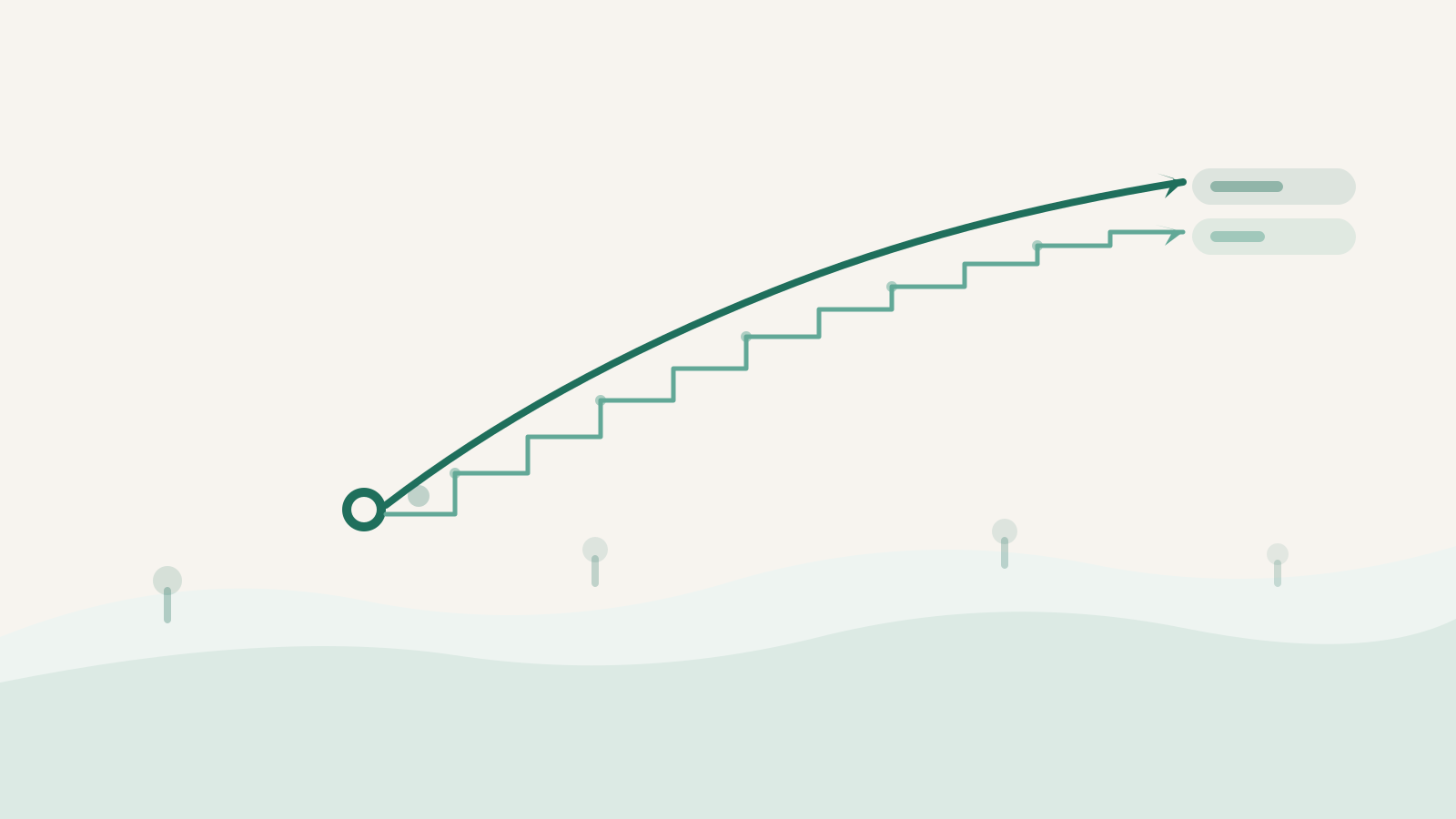
Dollar-Cost Averaging vs. Lump-Sum: A Practical Decision Framework
One of the most common questions investors face is how to deploy a significant amount of cash into the market. Should you invest it all at once (Lump-Sum) or spread it out over time (Dollar-Cost Averaging)? The answer isn't always straightforward and depends on a combination of historical data, market conditions, and, most importantly, your personal psychology and financial situation. This framework will help you navigate that decision.
What is Lump-Sum Investing?
Lump-Sum (LS) investing is the strategy of investing a large sum of money into the market all at once. If you receive an inheritance, a bonus, or have been saving cash on the sidelines, a lump-sum approach means putting it all to work immediately.
- The Upside: Historically, markets tend to go up over the long term. By investing your money sooner, you give it more time to grow. Studies have shown that, on average, lump-sum investing outperforms dollar-cost averaging about two-thirds of the time.
- The Downside: The primary risk is timing. If you invest your entire sum right before a market downturn, you'll experience significant immediate losses, which can be psychologically difficult to endure.
What is Dollar-Cost Averaging (DCA)?
Dollar-Cost Averaging (DCA) is the practice of investing a fixed amount of money at regular intervals, regardless of market fluctuations. Instead of investing a $12,000 lump sum at once, you might invest $1,000 every month for a year.
- The Upside: DCA mitigates the risk of bad timing. By spreading out your investments, you buy more shares when prices are low and fewer when they are high, averaging out your purchase price over time. This can significantly reduce feelings of regret and anxiety if the market drops after you start investing.
- The Downside: The main drawback of DCA is "cash drag." The portion of your money that sits in cash waiting to be invested is not earning market returns. In a steadily rising market, this means you miss out on potential gains.
A Practical Decision Framework
Choosing between DCA and Lump-Sum is a personal decision. Here’s a framework to help you decide:
| Factor | Favors Lump-Sum | Favors Dollar-Cost Averaging |
|---|---|---|
| Historical Data | Markets tend to rise over time, making immediate investment statistically superior. | Reduces the impact of a poorly timed entry. |
| Risk Tolerance | You are comfortable with short-term volatility and have a long time horizon. | You are risk-averse and would be distressed by a large initial loss. |
| Market Outlook | You believe the market is fairly valued or undervalued. | You are concerned about high valuations or potential for a near-term correction. |
| Emotional Fortitude | You can stomach a significant paper loss without panic selling. | The thought of a large, immediate loss would cause you to lose sleep. |
The Hybrid Approach: A Best-of-Both-Worlds Strategy
If you're still undecided, a hybrid approach can offer a compromise. You could invest a significant portion of your cash as a lump sum (e.g., 50-60%) and then dollar-cost average the remainder over a set period. This allows you to get a substantial amount of capital working for you immediately while still hedging against a potential downturn.
How Tremis.ai Can Help
Regardless of your chosen strategy, tracking your investments and understanding your portfolio's performance is crucial. With Tremis.ai, you can manually track the performance of your DCA or lump-sum investments. Our AI-powered insights can help you analyze your portfolio's health and concentration risk as you deploy your capital, giving you the clarity needed to stay on course.
Conclusion: The Best Strategy is the One You Can Stick With
While historical data often favors lump-sum investing, the best strategy is ultimately the one that allows you to invest with confidence and peace of mind. If the fear of a market drop would cause you to delay investing indefinitely, then a systematic DCA plan is superior. If you have a strong stomach for risk and a long-term perspective, a lump-sum investment is likely to yield better results. By understanding your own psychology and using this framework, you can make a decision that aligns with your financial journey.
Ready to take control of your investment strategy? Visit Tremis.ai to start tracking your wealth with clarity and privacy.